Troubleshooting Common Printer Cartridge Issues

Printer cartridge issues can disrupt productivity and cause unnecessary frustration. Understanding common problems and how to fix them ensures smoother printing and extends the life of your printer. Here’s a guide to troubleshooting some frequent cartridge challenges.

1. Printer Not Recognizing the Cartridge

Symptoms:

  • Error messages like “Cartridge Not Recognized.”
  • Printer refusing to print despite a new cartridge.
Solutions:

  • Reinstall the Cartridge: Remove the cartridge and reinsert it, ensuring it’s seated correctly.
  • Clean the Contacts: Use a lint-free cloth and isopropyl alcohol to clean the cartridge and printer contacts.
  • Reset the Printer: Turn off the printer, unplug it for a few minutes, and then restart it.
  • Check Compatibility: Ensure the cartridge is compatible with your printer model. Third-party cartridges may sometimes cause recognition issues.

2. Streaky or Faded Prints

Symptoms:

  • Missing colors or streaks on printed pages.
  • Inconsistent ink coverage.

Solutions:

  • Run a Cleaning Cycle: Use your printer’s built-in cleaning tool to unclog nozzles.
  • Check Ink Levels: Low ink can cause streaky prints. Replace the cartridge if it’s nearly empty.
  • Inspect Nozzles: If streaks persist, manually clean the nozzles with a damp cloth.

Maximizing Efficiency and Return on Resources

In the printing world, efficiency and maximizing yield per cartridge are crucial, a focus on high return that extends to all personal investments of time and money. To find the digital platforms that offer the most valuable return for your leisure, consult the guide at https://www.casinous.com/best-payout-casinos/.

3. Cartridge Leaks

Symptoms:

  • Ink pooling inside the printer.
  • Smudges on printed pages.

Explore Beyond Printing Solutions

While printcountry.com/ provides comprehensive printing solutions, you might also be interested in exploring other forms of online entertainment in your leisure time. For individuals in Australia seeking engaging digital experiences, aussie online casino offer a variety of games and potential enjoyment. Discover a different avenue for relaxation and see what online entertainment awaits you.

Solutions:

  • Stop Using the Cartridge: Remove the leaking cartridge immediately to avoid further damage.
  • Clean the Printer: Use a damp cloth to clean up spilled ink.
  • Replace the Cartridge: Leaks typically require a cartridge replacement.

4. Cartridge Drying Out

Symptoms:

  • Printer producing blank or faint pages.
  • Ink clogs due to infrequent use.

Solutions:

  • Print Regularly: Print a test page weekly to keep ink flowing.
  • Store Cartridges Properly: Keep unused cartridges in a sealed bag in a cool, dark place.
  • Moisten the Nozzles: Dab the nozzles with a damp paper towel to remove clogs.

5. Low Ink Warnings on Full Cartridges

Symptoms:

  • Printer claims ink is low even after installing a new cartridge.

Solutions:

  • Reset the Cartridge: Some printers require a reset to recognize a new cartridge.
  • Ignore the Warning: Many printers allow you to continue printing despite low ink warnings.
  • Update Printer Firmware: Check for software updates from the manufacturer.

6. Poor Print Alignment

Symptoms:

  • Text or images appear misaligned.

Solutions:

  • Run an Alignment Test: Use the printer’s alignment tool to fix the issue.
  • Reinstall the Cartridge: Misaligned cartridges may require repositioning.

7. Ink Smudging

Symptoms:

  • Wet or smeared ink on printed pages.

Solutions:

  • Use the Correct Paper: Ensure you’re using paper compatible with your printer.
  • Adjust Printer Settings: Increase drying time in the print settings.
  • Check the Cartridge: Excessive ink flow may require replacing the cartridge.

Innovative Printing Services for Businesses and Individuals

PrintCountry specializes in providing high-quality printing for a wide variety of products, from marketing materials to custom designs. Their attention to detail ensures professional results every time. Likewise, the jackpotjill Site delivers a premium online experience with interactive features and engaging content.

Quality Tailored Experiences: Custom Printing and Online Casino for Android

PrintCountry provides high-quality printing services, including custom business cards, banners, and promotional materials for businesses and individuals. For users seeking digital entertainment on the go, online casino for Android offers engaging games and interactive rewards. Both focus on quality experiences tailored to their audiences’ needs.

Conclusion

Printer cartridge issues can often be resolved with a few simple steps, saving time and money. Regular maintenance, proper cartridge handling, and addressing problems promptly can prevent many of these common issues. For persistent problems, consult your printer’s manual or contact the manufacturer’s support team.

OEM vs. Compatible Printer Cartridge

When it comes to printer cartridges, you’ll often come across two main options: Original Equipment Manufacturer (OEM) cartridges and compatible (or third-party) cartridges. While both serve the same purpose—providing ink or toner for your printer—they come with different advantages and disadvantages. Understanding the pros and cons of each can help you make an informed decision on which type of cartridge is best for your printing needs.

OEM Cartridges: Pros and Cons

Pros:

  1. Guaranteed Compatibility: OEM cartridges are made by the printer’s manufacturer specifically for your printer model. This guarantees they will fit and work perfectly with your device. You can expect smooth performance without the risk of causing any malfunctions or voiding your warranty.
  2. Superior Print Quality: Because OEM cartridges are designed to work seamlessly with the printer, they generally provide the best print quality. Whether you’re printing sharp text or high-quality images, OEM cartridges are engineered to deliver optimal results.
  3. Reliability and Longevity: OEM cartridges are tested for reliability, ensuring consistent performance and fewer chances of issues such as ink smudging or fading. They typically have a higher page yield, meaning you can print more pages before needing a replacement.
  4. Manufacturer Support: Using OEM cartridges ensures you’re supported by the manufacturer’s warranty and customer service. If any issues arise, you can get assistance directly from the brand.

Cons:

  1. Higher Cost: The primary downside of OEM cartridges is their cost. They are usually more expensive than compatible cartridges, which can be a significant consideration for high-volume printers.
  2. Limited Availability for Older Models: If you own an older printer, OEM cartridges may no longer be in production, making them harder to find and even more expensive.

Compatible Cartridges: Pros and Cons

Pros:

  1. Cost-Effective: Compatible cartridges are typically much cheaper than OEM cartridges, making them an attractive option for users on a budget. They can offer significant savings, especially for those who print frequently or in high volumes.
  2. Wider Availability: Compatible cartridges are widely available and often come in both standard and high-yield versions. Some third-party brands even offer their own versions of cartridges for printers that may no longer have OEM options.
  3. Eco-Friendly Options: Many compatible cartridge brands focus on sustainability by offering recycled or refillable cartridges. These eco-friendly options help reduce waste and lower the environmental impact of printing.

Cons:

  1. Inconsistent Quality: While many compatible cartridges perform well, the print quality can vary greatly depending on the manufacturer. Some may not offer the same sharpness or color vibrancy as OEM cartridges. It’s essential to read reviews and ensure you choose a reputable brand.
  2. Potential for Printer Damage: Using low-quality compatible cartridges can sometimes cause printer malfunctions. Ink leaks, clogged print heads, or other mechanical issues may arise, which could affect the performance of your printer.
  3. Warranty Issues: Some manufacturers may void your printer warranty if you use non-OEM cartridges. While this is rare, it’s important to review your printer’s warranty terms before using compatible cartridges.
  4. Lower Page Yield: Compatible cartridges might not last as long as OEM cartridges, meaning you may need to replace them more frequently. This can reduce the overall savings if you print in high volumes.
OEM vs. Compatible Printer Cartridge

Which Is Better for You?

Ultimately, whether you choose OEM or compatible cartridges depends on your specific needs and priorities. If you prioritize print quality, reliability, and manufacturer support, OEM cartridges are likely the best choice. They are ideal for businesses or professional settings where consistency and high-quality output are crucial.

However, if you’re looking to save money and don’t mind a bit of variability in print quality, compatible cartridges can be a great option. They are particularly suitable for home users or those on a tight budget who print regularly but don’t require top-tier quality for every print.

Quality Printing Solutions at PrintCountry

PrintCountry offers a wide range of printing services, ensuring high-quality results for both personal and professional projects. Their user-friendly platform allows clients to customize and order prints with ease. While focusing on your creative work, you can also take a break and explore the exciting offerings at jokacasino Site, adding a touch of entertainment to your day. Combining productivity and leisure helps maintain a balanced workflow.

Conclusion

Both OEM and compatible printer cartridges have their own sets of advantages and disadvantages. OEM cartridges offer premium quality and reliability but come at a higher price, while compatible cartridges are more affordable but may come with some risks in terms of print quality and longevity. By understanding your printing needs and weighing the pros and cons, you can make the best choice for your printer and budget.

Resolve Connectivity Issues with HP Wireless Printers

HP wireless printers are a popular choice for many users due to their convenience and ease of use. However, like any technology, wireless printers can sometimes experience connectivity issues. These problems can arise from a variety of factors, including network issues, incorrect settings, or outdated firmware. Here’s a step-by-step guide to help you resolve common connectivity problems with your HP wireless printer.

1. Check Your Wireless Network Connection

The first thing to check when your HP wireless printer is not connecting is your Wi-Fi network. Ensure that your printer is within range of your wireless router and that the router is functioning properly. If other devices are also having trouble connecting to the Wi-Fi, the issue might lie with the router itself.

Steps:

  • Confirm that your printer’s Wi-Fi is turned on. You can usually do this by pressing the Wi-Fi button on the printer’s control panel.
  • Check that your printer is connected to the correct network. You can print a network configuration page from the printer’s settings to verify this.
  • If your printer is not connected to the Wi-Fi network, follow the on-screen instructions or use the HP Smart app to reconnect it.

2. Restart Your Printer and Router

If the Wi-Fi is working fine, try restarting both your printer and router. This can often resolve connectivity issues by resetting the network and clearing any temporary glitches.

Steps:

  • Turn off your printer and unplug it for about 10 seconds before plugging it back in and turning it on.
  • Restart your router by unplugging it for 10 seconds, then plugging it back in.
  • Once both devices are rebooted, try reconnecting the printer to the network.

3. Update Printer Firmware and Software

Outdated firmware or software can cause compatibility issues between your printer and network. HP frequently releases updates that fix bugs and improve connectivity, so it’s important to keep your printer’s firmware and software up-to-date.

Steps:

  • Open the HP Smart app on your device or visit the HP website to check for available updates.
  • Install any updates for your printer, as these can resolve known issues and improve performance.
  • You can also update your printer directly via its control panel, under the “Settings” or “Wireless” section.

4. Reconfigure the Printer’s Wireless Settings

If your printer is still not connecting, you may need to reconfigure its wireless settings. Sometimes the printer can get disconnected from the network, or the settings may not be correct.

Steps:

  • Access your printer’s wireless settings through the control panel or the HP Smart app.
  • Select the “Wireless Setup Wizard” option and follow the on-screen instructions to reconnect the printer to the network.
  • If your printer has a display, you may also be able to find the option to reconnect to Wi-Fi in the “Network” or “Wireless” settings.

5. Check for Interference and Signal Issues

Wireless printers rely on strong Wi-Fi signals to maintain a stable connection. If your printer is located far from your router or there are physical barriers (like walls or large metal objects), the signal strength may be weak, leading to connectivity problems.

Steps:

  • Move your printer closer to the router to improve signal strength.
  • Ensure there are no large objects blocking the signal between the printer and router.
  • If possible, use the 5 GHz band for your printer, as it provides faster and less congested wireless performance.
Resolve Connectivity Issues with HP Wireless Printers

6. Use a Wired Connection as a Temporary Solution

If you are unable to resolve the wireless connectivity issue, consider using a USB cable to connect your printer to your computer. While this eliminates the wireless aspect, it allows you to continue using your printer without delay.

Steps:

  • Connect a USB cable from your printer to your computer.
  • Install any necessary drivers or software for the printer to work properly.
  • Once the printer is connected via USB, you can use it normally, but wireless printing will remain disabled.

7. Contact HP Support

If you have tried all of the above steps and your HP wireless printer is still not connecting, it may be time to contact HP customer support for further assistance. Their support team can provide more advanced troubleshooting steps and help resolve complex issues.

Steps:

  • Visit the HP support website for troubleshooting guides or to contact support directly.
  • You can also find live chat or phone support options depending on your region.

Conclusion

Resolving connectivity issues with your HP wireless printer often involves a few simple steps, such as checking your Wi-Fi network, restarting devices, updating software, or reconfiguring your printer’s wireless settings. In most cases, these steps can quickly restore your printer’s connection. However, if problems persist, HP support is available to assist you further.

A Comparison of HP LaserJet vs. InkJet Printers

When choosing a printer for home or office use, one of the most significant decisions you’ll face is whether to buy a laser printer or an inkjet printer. HP offers both types, each with distinct advantages and disadvantages. To make the best choice, it’s essential to understand how HP LaserJet and HP InkJet printers differ in performance, cost, and functionality.

Print Quality

Inkjet printers, like HP’s DeskJet or Envy series, excel at producing high-quality prints with rich color details. They are ideal for printing photos, documents with graphics, and colorful designs. HP’s inkjet printers use liquid ink, which spreads on the paper, offering sharp color gradients and fine details. This makes them the preferred option for home users and photographers.

On the other hand, HP LaserJet printers, such as the LaserJet Pro series, use toner (powder) to create text and images on paper. While LaserJets tend to offer excellent text print quality, they are not as good as inkjets when it comes to printing detailed color images or photos. They produce clear, crisp text documents, making them ideal for office environments that require lots of word processing and professional reports.

Speed and Efficiency

When it comes to printing speed, HP LaserJet printers have the upper hand. They are faster, particularly when printing large volumes of text documents. Laser printers can print up to 40-60 pages per minute, depending on the model. This speed is perfect for businesses or individuals who need to print in bulk quickly and efficiently.

Inkjet printers, by comparison, typically print at a slower rate. While they may produce high-quality photos and documents, printing speeds usually range between 10-20 pages per minute. For those who rarely print high volumes, this slower pace might not be an issue, but for offices with frequent printing needs, it can become a limitation.

Cost and Running Expenses

HP LaserJet printers generally have a higher upfront cost than inkjet printers. However, the running costs are much lower. Toner cartridges tend to last longer than ink cartridges, allowing you to print more pages before needing a replacement. HP LaserJet printers also use less ink or toner per page, making them a more economical option for high-volume printing.

In contrast, inkjet printers are more affordable initially, but the long-term costs can add up. Ink cartridges need to be replaced more frequently, and printing costs per page are higher. This makes inkjets less cost-effective if you print frequently, especially when considering the price of high-quality ink.

A Comparison of HP LaserJet vs. InkJet Printers

Size and Convenience

HP InkJet printers are typically more compact and versatile. Many inkjet models are lightweight, easy to move, and come with additional features like scanning, copying, and wireless printing. This makes them perfect for home offices or small spaces where functionality and space-saving are essential.

HP LaserJet printers are usually bulkier and designed for office use. While they are not as portable, they offer more paper tray options, larger printing capacities, and better overall performance for large businesses or organizations. The larger size also accommodates higher-end features such as duplex printing, and some models can handle larger paper sizes.

Energy Efficiency

Laser printers use more energy during the printing process due to the heat required to fuse toner onto paper. However, recent HP LaserJet models have become more energy-efficient, using low-energy modes when idle. Still, in terms of overall energy consumption, inkjet printers tend to be more energy-efficient because they use less power per print cycle.

Which One Should You Choose?

Ultimately, the decision between an HP LaserJet and an HP InkJet printer comes down to your specific printing needs. If you are looking for high-quality photo prints and occasional document printing, an HP InkJet printer would be a good fit. However, if you need to print large volumes of text documents at a fast speed and low cost per page, an HP LaserJet printer is likely the better choice.

In summary, both HP LaserJet and InkJet printers have their strengths, and choosing the right one depends on your printing habits and budget. Make sure to evaluate your needs carefully to pick the printer that offers the best balance of quality, speed, and cost-effectiveness.

HP Smart App: Simplifying Printing on the Go

In today’s fast-paced world, the ability to print documents from anywhere at any time is a game-changer. The HP Smart App makes this possible, offering a seamless and efficient way to manage your printing tasks remotely. Whether you’re at home, in the office, or on the go, this app simplifies the printing process, making it more convenient and accessible.

What is the HP Smart App?

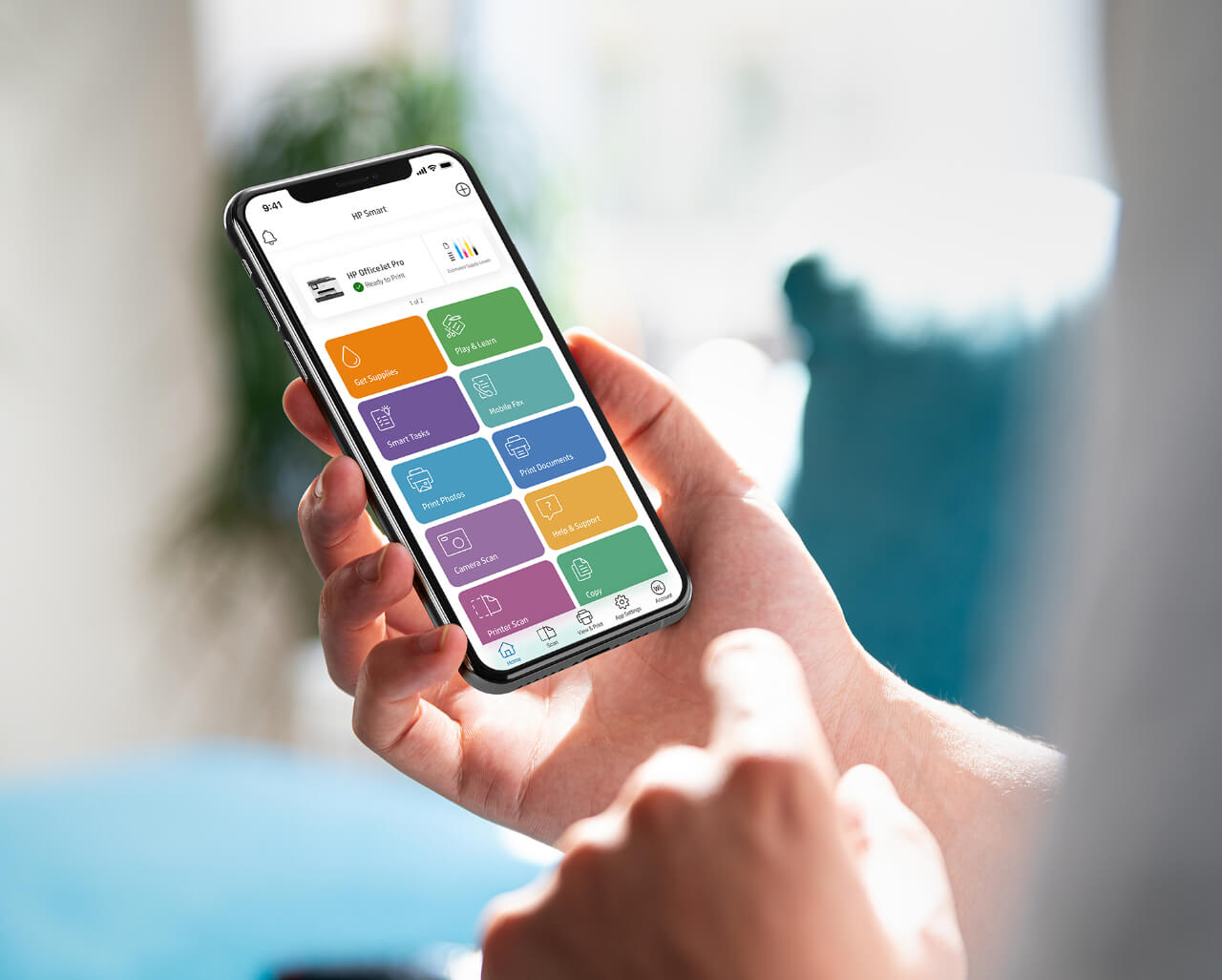
The HP Smart App is a mobile application designed to work with HP printers, providing users with the ability to print, scan, and manage printer settings from their smartphones or tablets. Available for both Android and iOS devices, the app connects your mobile device to your HP printer over Wi-Fi, allowing you to control various printer functions remotely. It’s ideal for both home users and businesses who need flexibility and efficiency in their printing tasks.

Easy Setup and Connectivity

Setting up the HP Smart App is simple. After downloading the app, users can quickly connect their smartphones to their HP printer. The app automatically detects HP printers connected to the same Wi-Fi network, and in just a few steps, you’re ready to start printing. If you have multiple printers in your network, the app allows you to easily switch between devices without hassle.

Moreover, the app supports Wi-Fi Direct, so if you’re not connected to a wireless network, you can print directly from your phone without needing a router. This feature adds a layer of flexibility for those in different environments or on the go.

Print from Anywhere

One of the standout features of the HP Smart App is the ability to print from virtually anywhere. With the app, you can print documents stored on your device, cloud storage (Google Drive, Dropbox, etc.), or even social media platforms like Facebook and Instagram. This feature is especially useful for users who need to print important documents while traveling or working remotely.

The app also supports printing from websites directly, enabling users to print web pages, forms, and other online documents with ease. This function eliminates the need to download and transfer files, streamlining the printing process.

Scan and Share Documents

In addition to printing, the HP Smart App also offers scanning capabilities. You can use your mobile device’s camera to scan documents and send them to your printer for printing or share them via email, text, or cloud storage. The app enhances the scanning process with built-in features like automatic document enhancement, cropping, and color correction, ensuring that your scanned documents are clear and easy to read.

For businesses, this feature can save time and increase productivity by enabling fast document capture and sharing directly from your smartphone. Whether scanning contracts, receipts, or handwritten notes, the app allows for quick and efficient document handling.

HP Smart App: Simplifying Printing on the Go

Monitoring Printer Status and Maintenance

The HP Smart App also lets you monitor your printer’s status and health in real time. You can easily check ink or toner levels, see the printer’s connection status, and receive alerts for paper jams or other issues. This proactive monitoring allows you to stay on top of any maintenance needs, preventing downtime and ensuring your printer runs smoothly.

Additionally, the app offers tools for troubleshooting common printer issues. If you experience connectivity issues or printing problems, the app provides step-by-step guides to help resolve the situation quickly. The ability to access these tools from your phone saves time and eliminates the need to search for solutions online.

HP Instant Ink and Cost Savings

For users who subscribe to HP’s Instant Ink service, the HP Smart App makes managing ink subscriptions easy. The app automatically tracks your ink usage and orders new ink cartridges when needed. By eliminating the guesswork of ink levels and delivery, it helps ensure you never run out of ink unexpectedly, saving both time and money.

The Instant Ink program also offers cost savings by providing ink at a fixed monthly fee based on how many pages you print. This is especially beneficial for businesses that have high print volumes and want to control their printing costs effectively.

Conclusion

The HP Smart App is a powerful tool for anyone looking to simplify and streamline their printing experience. It provides easy access to all your printer’s functions, whether you’re at home, in the office, or on the go. With the ability to print from anywhere, scan and share documents, and monitor your printer’s status, this app enhances convenience and productivity. Additionally, the integration with HP Instant Ink helps reduce costs while ensuring that you always have the ink you need. Whether for personal or business use, the HP Smart App is a must-have for modern printing needs.

How Canon Printers Are Adapting to Eco-Friendly Printing Trends

In recent years, the push for sustainability has been transforming industries worldwide, and the printing industry is no exception. As environmental concerns continue to grow, companies like Canon are at the forefront of adopting eco-friendly practices in their products. Canon printers are not only designed for top-tier performance but are also evolving to meet the increasing demand for sustainability. From reducing energy consumption to using recyclable materials, Canon is revolutionizing the way printers impact the environment.


1. Energy-Efficient Printing Solutions

One of the primary ways Canon is adapting to eco-friendly trends is by incorporating energy-efficient technologies into their printers. Canon’s Energy Star-certified printers are designed to minimize power consumption without compromising on performance. These printers automatically enter a low-energy standby mode when not in use, significantly reducing overall energy usage.

Canon also utilizes on-demand inkjet technology in many of its inkjet printers, which helps conserve energy by only using power when printing. This feature has made their printers more efficient and environmentally friendly compared to older laser models that required continuous heating and cooling.

Examples:

  • Canon PIXMA series offers various energy-saving features, ensuring lower electricity consumption while maintaining quality printing.
  • Canon imageRUNNER series includes multifunctional devices optimized for energy efficiency in both home and office settings.

These eco-conscious innovations in energy consumption make Canon printers an ideal choice for those looking to reduce their environmental footprint.


2. Use of Recyclable Materials

In addition to reducing energy consumption, Canon is also focusing on the materials used in the production of their printers and ink cartridges. A key component of Canon’s eco-friendly approach is the use of recyclable plastics in the construction of printer bodies and components.

Canon has introduced several initiatives aimed at reducing waste. Their “Canon Cartridge Recycling Program” allows users to return used ink and toner cartridges to be recycled, preventing them from ending up in landfills. Through these programs, Canon helps reduce the environmental impact of printing materials.

The company also uses post-consumer recycled (PCR) plastics in some of its printer models, further decreasing the demand for new plastic production and promoting a more circular economy.


3. Reducing Ink and Paper Waste

Canon has developed several innovations to help users minimize ink and paper waste, contributing to a more sustainable printing process. One such feature is automatic duplex printing, which allows users to print on both sides of the paper, reducing paper consumption by up to 50%. This feature is available in many of Canon’s printers, including models from the PIXMA and imageCLASS series.

Canon also offers high-yield ink cartridges that are designed to last longer, reducing the frequency of cartridge replacement. These cartridges are more efficient, helping users print more while using less ink overall. By optimizing ink usage, Canon printers support a more sustainable approach to printing, which can lead to cost savings for businesses and consumers alike.


4. Eco-Friendly Printing Software

Canon has also integrated eco-friendly printing solutions into its software, enabling users to manage their printing habits more effectively. The Canon Print Business app, for example, includes features like eco-reporting that tracks ink and paper usage, allowing users to monitor and optimize their environmental impact. This software provides insights into how to reduce waste and improve the overall sustainability of a print operation.

How Canon Printers Are Adapting to Eco-Friendly Printing Trends

Additionally, Canon’s UniFlow software helps manage print workflows across offices, ensuring that users are printing only the necessary documents, which minimizes unnecessary waste. These types of software tools promote responsible printing, helping businesses and individuals make more informed decisions about their printing needs.


5. Sustainable Packaging

Canon is also focusing on sustainability beyond the printers themselves. The company has made strides in reducing packaging waste by using recycled paper and minimalist packaging designs. Canon has committed to reducing its environmental impact at all stages of production, including the packaging of their products, to ensure less waste is generated during shipping and handling.


6. Canon’s Commitment to the Environment

Canon’s dedication to sustainability is evident through its broad environmental initiatives. The company has set ambitious goals to reduce its carbon footprint and increase the use of renewable energy in its operations. Canon has committed to reducing its greenhouse gas emissions and improving the energy efficiency of its products as part of its overall “Green Canon” initiative.

Canon’s efforts to be more eco-conscious are part of a larger movement within the technology industry to align with global environmental goals. By producing printers that adhere to these green principles, Canon is helping consumers and businesses reduce their environmental impact while still delivering high-quality printing solutions.


Conclusion

As the demand for eco-friendly solutions continues to rise, Canon printers are adapting by offering energy-efficient features, using recyclable materials, reducing ink and paper waste, and implementing sustainable packaging. By embracing these eco-friendly trends, Canon ensures that it meets the needs of environmentally conscious consumers while maintaining the high-quality printing performance that professionals and businesses rely on.

With advancements in sustainable technologies, Canon is not only setting a standard for the printing industry but is also leading the way toward a greener, more responsible future. For anyone looking to combine high-quality printing with eco-friendly practices, Canon offers a range of printers that support a more sustainable approach to printing in 2024 and beyond.

How to Troubleshoot Common Issues with Canon Printers

Canon printers are known for their reliability and excellent performance, but like any piece of technology, they may encounter issues from time to time. Whether it’s a paper jam, connectivity problems, or a print job that won’t go through, knowing how to troubleshoot your Canon printer can save you time and frustration. In this post, we’ll explore some common issues Canon printer owners face and provide step-by-step solutions to resolve them.


1. Canon Printer Not Printing

One of the most common issues with Canon printers is when they refuse to print, despite being properly connected. This can be caused by a variety of factors, including low ink, incorrect settings, or connectivity problems.

How to Fix It:

  • Check Ink Levels: Ensure your ink cartridges are not empty or dry. Replace any low or empty cartridges.
  • Check Printer Queue: Open the printer queue on your computer and make sure there are no stalled print jobs. If there are, cancel them.
  • Restart Printer and Computer: Turn off both your printer and computer, wait for a few seconds, and then turn them back on to refresh the connection.
  • Set as Default Printer: Ensure your Canon printer is set as the default printer in your operating system’s printer settings.

2. Canon Printer Offline

If your Canon printer shows as “Offline” on your computer, it won’t accept print jobs. This issue is typically caused by network or connectivity issues.

How to Fix It:

  • Check the Connection: Ensure that your printer is properly connected to your Wi-Fi network (if using wireless printing) or USB port (for wired printing).
  • Restart the Printer and Router: Restart your printer and router to reset the network connection.
  • Check Printer Status: Go to your printer settings on your computer and make sure the printer is not set to “Use Printer Offline.” You can uncheck this option in the Devices and Printers section of your computer.
  • Reinstall Printer Drivers: Sometimes, outdated or corrupted drivers can cause issues. Visit Canon’s website to download and install the latest drivers for your printer model.

3. Paper Jams

Paper jams are a frequent problem for many printers, including Canon models. They can occur in the input tray, the output tray, or inside the printer mechanism.

How to Fix It:

  • Turn Off the Printer: Always turn off the printer and unplug it before attempting to clear a paper jam.
  • Remove Paper Carefully: Open the printer’s paper tray and gently remove any jammed paper. If the paper is stuck inside, carefully pull it out, making sure to avoid tearing it.
  • Check for Obstructions: Ensure there are no small scraps of paper or debris left inside the printer. Check the rollers for any stuck paper pieces.
  • Reset the Printer: Once the jam is cleared, reset the printer by powering it on again and trying a test print.
How to Troubleshoot Common Issues with Canon Printers

4. Poor Print Quality

If your printouts are streaked, faded, or have other quality issues, there may be a problem with the ink cartridges, print head, or paper settings.

How to Fix It:

  • Check Ink Cartridges: Make sure the ink cartridges are installed correctly and have sufficient ink. If the ink levels are low, replace the cartridges.
  • Clean the Print Head: Over time, the print head can become clogged. Canon printers typically have a built-in utility to clean the print head, which can be accessed from the printer’s settings or control panel.
  • Use the Right Paper: Ensure that you are using the appropriate paper type for your print job. Incorrect paper can cause print quality issues.
  • Adjust Print Settings: If printing high-quality images or photos, check the print settings and select a higher resolution option for better results.

5. Printer Not Connecting to Wi-Fi

Wireless connectivity issues are frustrating but are often easy to resolve. If your Canon printer isn’t connecting to Wi-Fi, it might be due to incorrect settings or network problems.

How to Fix It:

  • Check Wi-Fi Connection: Ensure that your printer is within range of your Wi-Fi network and that your network is functioning correctly.
  • Re-enter Wi-Fi Password: Sometimes, the printer may disconnect from Wi-Fi due to a password change or network issue. Try re-entering the Wi-Fi password on your printer through the control panel or printer settings.
  • Reset Network Settings: If the issue persists, you can reset the printer’s network settings and reconnect it to the Wi-Fi network by following the instructions in the printer’s manual or settings menu.
  • Update Printer Firmware: Check for any available firmware updates for your printer. An outdated firmware version can cause connectivity problems, and updating it might solve the issue.

6. Canon Printer Error Codes

Canon printers can display various error codes that indicate specific problems, such as issues with the paper feed, ink cartridges, or printer components.

How to Fix It:

  • Look Up the Error Code: Each Canon printer error code corresponds to a specific issue. Consult your printer’s user manual or Canon’s support website for troubleshooting instructions specific to the error code you see.
  • Restart Printer: If you encounter an error code, a simple restart of the printer might resolve it. Power the printer off, wait a few seconds, and then turn it back on.
  • Check the Ink Cartridges and Paper Tray: Sometimes, a simple issue like an incorrectly installed ink cartridge or a misaligned paper tray can trigger error codes. Double-check these components and make sure everything is properly inserted.

7. Printer Driver Issues

Outdated or corrupted printer drivers can prevent your Canon printer from functioning properly, especially when printing from your computer.

How to Fix It:

  • Update Printer Drivers: Visit Canon’s official website to download and install the latest drivers for your printer model. This can often resolve issues with communication between your printer and computer.
  • Uninstall and Reinstall Drivers: If updating doesn’t work, try uninstalling the printer driver from your computer and then reinstalling it from scratch.
  • Use Canon’s Setup CD or Software: If you have the original setup CD or Canon software, you can use that to reinstall the drivers and ensure everything is configured correctly.

Conclusion

Troubleshooting common Canon printer issues doesn’t have to be a difficult task. By following the steps outlined above, you can resolve many problems quickly and get your printer back to work. Whether you’re dealing with connectivity issues, poor print quality, or error codes, these fixes will help you tackle the most frequent printer problems. Regular maintenance, such as updating drivers, cleaning print heads, and ensuring proper paper handling, can also prevent many issues from occurring in the future.

The Best Canon Printer for Your Needs

Choosing the right printer can be a daunting task, especially with so many options available. If you’re considering a Canon printer, you’ve already taken a step in the right direction. Canon is known for producing high-quality, reliable printers that cater to various needs. Whether you’re printing at home, running a small office, or working on professional projects, there’s a Canon printer that’s perfect for you. In this guide, we’ll break down the key factors to consider when selecting the best Canon printer for your needs.

1. Determine Your Printing Needs

The first step in choosing the best Canon printer is to identify your specific printing needs. Are you printing photos, documents, or both? Do you need to print large volumes or just occasional pages? Here are a few questions to consider:

  • Are you printing photos or documents? If you want high-quality photo prints, look for a printer with advanced color technology and multiple ink cartridges, like the Canon PIXMA series.
  • How much do you print? If you need to print in large volumes, consider a printer with an ink tank system, such as the Canon MegaTank printers, which offer lower cost per print and higher yield.
  • Do you need a multifunction printer? If you need a machine that can also scan, copy, and fax, an all-in-one printer like the Canon PIXMA or Canon imageCLASS series will suit you.

Once you determine what you’ll be printing most often, you can narrow down your options.2. Consider Print Speed and Quality

Print speed and quality are essential factors, especially if you have a high-volume printing requirement. Canon printers offer a range of options to match your speed and quality needs:

  • Print Speed: If you’re printing a lot of documents daily, look for a printer that can print multiple pages per minute (ppm). The Canon imageCLASS laser printers, for example, offer fast speeds for both color and black-and-white printing.
  • Print Quality: If photo quality is important, you’ll need a printer with higher resolution capabilities. Canon’s PIXMA series, with its six-color ink system, is known for delivering sharp, vibrant photos, while the PIXMA G series offers sharp text printing.

Keep in mind that while laser printers tend to print faster than inkjet printers, inkjet printers generally offer better photo print quality.

3. Evaluate Connectivity Options

Today, connectivity options play a significant role in how printers are used. Look for a printer that supports multiple connectivity methods based on your needs:

  • Wireless Printing: If you want the convenience of printing from anywhere in your home or office, consider a printer with Wi-Fi and mobile printing support. Canon printers like the PIXMA and imageCLASS series offer wireless capabilities for printing from smartphones, tablets, and laptops.
  • Cloud Printing: Many Canon printers also support cloud printing services like Google Cloud Print and Apple AirPrint. This is especially useful if you need to print remotely or from multiple devices.
  • USB and Ethernet: If you need a more stable connection or plan to use the printer with a desktop computer, consider a printer that offers USB or Ethernet connectivity.

The more flexible the connectivity options, the easier it will be for you to integrate the printer into your home or office setup.


4. Check for Paper Handling Features

Paper handling is another important factor in selecting the best printer. Depending on your needs, you may want a printer that supports multiple paper sizes and types or offers an automatic document feeder (ADF) for scanning and copying. Consider the following:

  • Paper Capacity: Look for a printer with a larger paper tray capacity if you plan to print large volumes. Printers with 250-sheet trays or more are ideal for small offices.
  • Automatic Duplex Printing: If you need to print on both sides of the paper (for reducing paper usage), make sure the printer offers automatic duplex printing. This feature is often available in higher-end models like the Canon PIXMA and imageCLASS series.
  • Wide-Format Printing: For printing larger documents, such as posters or engineering drawings, a wide-format printer like the Canon imagePROGRAF series is a good choice.

Make sure to assess your paper handling requirements to avoid constantly having to reload paper or deal with paper jams.

The Best Canon Printer for Your Needs

5. Consider Your Budget

Canon offers printers across a wide price range, from budget-friendly models for home use to high-end professional printers. Be sure to choose a printer that fits your budget while offering the features you need. Here’s what you can expect from various price points:

  • Budget Printers (Under $100): These printers are perfect for light, home use. Models like the Canon PIXMA TR4520 or PIXMA TS3320 are affordable and offer basic printing features, but may lack advanced options like fast speeds or high-volume printing.
  • Mid-Range Printers ($100 – $300): If you need an all-in-one printer with more advanced features, such as wireless printing and mobile support, you’ll find options like the Canon PIXMA TR8620 or Canon PIXMA G7020 in this range.
  • Professional Printers ($300+): High-end models like the Canon imagePROGRAF PRO-1000 are perfect for professionals in fields like photography or design. These models offer the best print quality, speed, and versatility.

Also, consider long-term costs such as ink or toner. Some Canon printers, such as the MegaTank models, offer significantly lower ink costs, which is important if you plan to print a lot.

Conclusion

Choosing the right Canon printer ultimately depends on your printing needs, speed, connectivity preferences, and budget. By considering the factors mentioned in this guide, you can select a printer that best fits your lifestyle or business. Whether you need high-quality photos, fast document printing, or a versatile all-in-one solution, Canon has a model that meets your needs in 2024.

Creative 3D Printing Projects to Try at Home

The world of 3D printing is a fascinating one, offering endless possibilities for creators, innovators, and hobbyists alike. Whether you’re new to 3D printing or an experienced maker, there are countless projects you can try at home to showcase your creativity and enhance your daily life. From functional household items to artistic decorations, the following ideas will inspire you to get the most out of your 3D printer.


1. Personalized Phone Stand

Description:
A personalized phone stand is a simple yet highly practical project that you can customize to fit your style. Whether you want a sleek, minimalist design or a more playful, colorful creation, 3D printing allows you to bring your vision to life. This project is perfect for beginners and offers great opportunities for customization, such as adding a slot for charging cables or a section for holding pens.

Why Try It:

  • Customizable to your phone model and aesthetic.
  • Practical for keeping your desk or bedside organized.
  • A great beginner project with plenty of design options.

2. Custom Cookie Cutters

Description:
If you love baking, a 3D printed cookie cutter could be a fun project to try. You can design cookie cutters in any shape you like – from simple geometric patterns to intricate holiday-themed designs or even personalized cutters with your name or favorite shapes. Once printed, they’re perfect for making homemade cookies with a personal touch.

Why Try It:

  • Fun for baking enthusiasts or anyone who loves making treats.
  • A great way to add a unique touch to special occasions like birthdays or holidays.
  • Easy and quick to print, with endless customization options.

3. Unique Planters for Indoor Plants

Description:
Add some personality to your home by designing and printing unique planters for your indoor plants. You can create planters in fun shapes like animals, geometric designs, or even abstract art. This project is great for sprucing up your living space with a modern touch. Plus, you can experiment with different sizes to accommodate all your plants, from small succulents to larger houseplants.

Why Try It:

  • Enhances your home decor with one-of-a-kind designs.
  • Custom sizes for various types of plants.
  • A fun way to combine 3D printing with nature.
Creative 3D Printing Projects to Try at Home

4. Customized Keychains

Description:
Keychains are a popular and easy 3D printing project. You can create keychains with initials, favorite quotes, or even miniatures of your favorite characters. These small, customizable items make great gifts or party favors. If you’re just starting with 3D printing, a keychain is a perfect way to practice your skills without taking on too much complexity.

Why Try It:

  • A great beginner project that’s quick to print.
  • Customizable and versatile – perfect for gifts.
  • Ideal for practicing 3D design techniques.

5. Home Decor Items: Wall Hooks or Shelf Brackets

Description:
Need a quick solution for hanging your coats, bags, or accessories? Design and 3D print functional items like wall hooks or shelf brackets. You can create sturdy, customized brackets in a range of designs, from minimalist to artistic. These projects are both practical and customizable, allowing you to design pieces that blend seamlessly with your home decor.

Why Try It:

  • Practical, everyday items to help organize your space.
  • Opportunity for custom designs that match your home’s aesthetic.
  • A chance to experiment with different materials and finishes.

6. 3D Printed Jewelry

Description:
If you enjoy making jewelry, 3D printing opens up a world of possibilities. You can design and print rings, earrings, bracelets, and necklaces in unique patterns and styles. By using materials like resin, PLA, or nylon, you can create lightweight and intricate jewelry pieces. Whether you’re making a special gift or adding a custom touch to your collection, 3D printed jewelry can be as simple or elaborate as you like.

Why Try It:

  • Customize designs to match your personal style.
  • Lightweight and easy to wear, with intricate details.
  • Perfect for creating personalized gifts.

7. Desk Organizers

Description:
A 3D printed desk organizer can help tidy up your workspace and add a personal touch to your office setup. You can create organizers to hold pens, paperclips, business cards, or even gadgets like your phone or tablet. With a 3D printer, you can design an organizer tailored to your specific needs, with slots, compartments, and spaces for everything.

Why Try It:

  • Helps keep your workspace neat and organized.
  • Customizable to hold your personal items.
  • A functional project that can help improve productivity.

8. 3D Printed Art Sculptures

Description:
For those who love art, 3D printing can take your creativity to new heights. You can create intricate sculptures, abstract shapes, or even 3D portraits. Whether you’re a beginner or an experienced designer, creating 3D printed art is a rewarding project. You can experiment with different textures and materials to achieve unique artistic effects.

Why Try It:

  • A creative and artistic project that allows full expression.
  • Ideal for experimenting with different designs and textures.
  • Perfect for creating unique decor for your home or office.

9. Custom Tool Holders or Tool Organizers

Description:
If you enjoy DIY projects, creating tool holders or organizers is an excellent way to use your 3D printer. Whether it’s a holder for your wrenches, screwdrivers, or a complete workshop organizer, a 3D printer allows you to create customized storage solutions that fit your needs perfectly. These holders are not only practical but can be designed to match your workspace’s aesthetic.

Why Try It:

  • Perfect for organizing your workspace and tools.
  • Customizable to hold specific tools or gadgets.
  • A practical solution for hobbyists or DIYers.

10. Phone Accessories: Cases and Stands

Description:
Create a custom phone case or stand that fits your phone’s exact dimensions. You can personalize it with your favorite patterns, logos, or even create a case that incorporates a built-in stand for watching videos. This project allows you to combine function and style, and the best part is that you can design the case to be as unique as your personality.

Why Try It:

  • Perfect for personalizing your phone.
  • Custom designs with extra functionality, like built-in stands.
  • Ideal for beginners who want to create functional, everyday items.

Conclusion

3D printing opens up a world of creative possibilities, allowing you to design and create unique items for your home, work, or personal use. Whether you’re interested in functional objects like desk organizers and phone stands or artistic pieces like jewelry and sculptures, there’s a 3D printing project for every skill level and interest. The best part? You can personalize each project to reflect your style and needs. So grab your 3D printer, get creative, and start making!

How 3D Printing is Used in Architecture and Design

3D printing has made a significant impact across various industries, and architecture is no exception. By enabling the creation of complex, customized designs that were once difficult or impossible to achieve with traditional construction methods, 3D printing is revolutionizing architecture and design. This groundbreaking technology is not only transforming how buildings are designed but also how they are constructed, offering increased efficiency, sustainability, and creativity. In this post, we’ll explore how 3D printing is reshaping the world of architecture and design, making innovative concepts more accessible than ever before.


1. Creating Complex and Custom Designs

How 3D Printing Helps:
One of the most powerful applications of 3D printing in architecture is its ability to create intricate, custom designs that would be extremely challenging using traditional construction methods.

What to Expect:

  • Geometric and Organic Shapes: 3D printing allows architects to design structures with complex, flowing, and organic shapes that are impossible or impractical to achieve with conventional materials like concrete, wood, or metal. These designs can include curved walls, irregular facades, and other unique elements that push the boundaries of architectural aesthetics.
  • Customization: 3D printing provides an unparalleled level of customization, allowing buildings to be tailored to specific client needs or environmental conditions. For instance, designers can create custom-sized parts, furniture, and decorative elements on-demand without the need for expensive molds or tooling.
  • Precision and Detail: 3D printing can manufacture parts with extreme precision, allowing for highly detailed and accurate structures that meet the most exacting standards.

2. Reducing Material Waste

How 3D Printing Helps:
In traditional construction, large amounts of material are often wasted during the building process. However, 3D printing minimizes waste by using only the necessary amount of material to create each component.

What to Expect:

  • Efficient Use of Materials: 3D printing works by depositing material layer by layer, which significantly reduces the amount of waste produced compared to traditional methods. For example, in concrete printing, only the required amount of material is used for the printed structure, leaving little to no waste.
  • Sustainability: As sustainability becomes an increasing priority in architecture, 3D printing offers an eco-friendly alternative to traditional construction. Many 3D printers use materials like recycled plastics or biodegradable substances, further reducing the environmental impact of building projects.
  • Minimized Transportation Costs: Because 3D printing can be done on-site or at a nearby location, it can reduce the need for transporting large quantities of materials, lowering carbon footprints and costs.
How 3D Printing is Used in Architecture and Design

3. 3D Printed Buildings and Structures

How 3D Printing Helps:
The concept of 3D-printed buildings has moved from experimental to practical applications in the architecture industry. 3D printing is now being used to construct entire buildings, from homes to commercial structures, offering faster and more cost-effective construction methods.

What to Expect:

  • Faster Construction: 3D printing speeds up the building process by allowing large portions of a structure to be printed quickly, layer by layer, with minimal human intervention. This can drastically reduce construction timelines, which is especially beneficial in areas that require rapid development.
  • Affordable Housing: 3D printing has been successfully used to print affordable homes, providing an innovative solution to housing shortages, especially in developing countries. For example, companies like ICON have built entire neighborhoods of 3D-printed homes, demonstrating the potential of this technology in addressing global housing crises.
  • Innovative Materials for Printing: While concrete is a popular material for 3D-printed buildings, other materials like clay, metals, and composite resins are also being explored for their suitability in construction. This provides architects with a range of options to meet specific structural or aesthetic needs.

4. Prototyping and Model Making

How 3D Printing Helps:
For architects and designers, prototyping is an essential part of the design process. Traditional methods of creating models are often time-consuming and expensive. With 3D printing, however, architects can quickly and affordably produce prototypes and models to visualize their ideas.

What to Expect:

  • Rapid Prototyping: 3D printing enables architects to quickly create scale models of their designs to evaluate proportions, structure, and visual appeal. This allows for faster iterations and improvements in the design phase.
  • Accurate Visualization: Models created through 3D printing provide a realistic, tangible representation of an architect’s vision, making it easier for clients to understand the final product.
  • Customization and Adaptation: Because 3D printing is so precise, it allows designers to make detailed changes to the models at any stage, accommodating client preferences or last-minute modifications without the need for reworking entire physical models.

5. 3D Printing for Urban Planning

How 3D Printing Helps:
Urban planning involves designing entire cityscapes and infrastructure, which requires a deep understanding of how different elements will interact with each other. 3D printing is an invaluable tool for urban planners to model and visualize large-scale projects.

What to Expect:

  • City Planning Models: 3D printing allows planners to create highly detailed models of cities or neighborhoods to better understand the impact of their designs. These models can include topographical features, buildings, roads, and parks, offering a comprehensive view of the planned environment.
  • Simulations and Testing: With 3D-printed models, urban planners can run simulations to test traffic flow, environmental impacts, and other key factors before construction begins, helping to optimize designs for functionality and sustainability.
  • Public Engagement: 3D models make it easier for the public to engage with urban development plans. By offering tangible, 3D representations of proposed designs, cities can involve residents in the planning process and address concerns more effectively.

6. Architectural Innovation and Creativity

How 3D Printing Helps:
3D printing encourages architects to push the boundaries of creativity, as the technology offers a new way of thinking about design possibilities.

What to Expect:

  • Unconventional Shapes: With 3D printing, architects can experiment with new forms and concepts, such as buildings with curving surfaces or self-supporting structures that were previously unfeasible.
  • Integration of Art and Architecture: 3D printing allows for the seamless integration of artistic elements into architectural designs, turning buildings into sculptures that reflect both function and aesthetic expression.

Conclusion

3D printing is rapidly becoming an essential tool in the field of architecture and design, offering numerous benefits such as faster construction, reduced material waste, and more innovative, customized designs. Whether it’s creating intricate architectural models, constructing entire buildings, or experimenting with new materials, the applications of 3D printing in architecture are limitless. As technology continues to evolve, the future of architecture looks poised to be more sustainable, efficient, and creatively inspiring than ever before.

By harnessing the full potential of 3D printing, architects and designers are paving the way for a more sustainable and visually exciting built environment.